330.484.5888
 Canton, OH
 330.484.5888
 Canton, OH


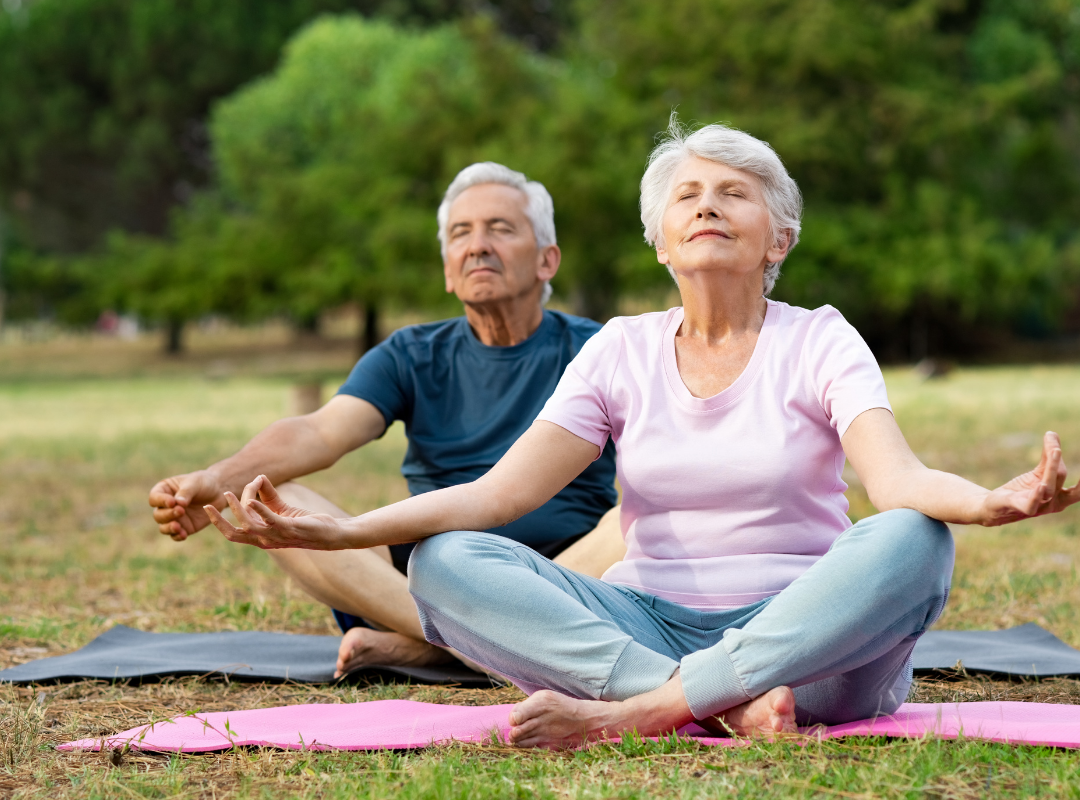
The benefits of yoga for seniors may include better balance, gentle strength-building, improved flexibility, calmer breathing, and greater awareness of how the body moves. Yoga can also be adapted through seated exercises, slower pacing, stable supports, and modified poses, making it approachable for older adults with different abilities.
You do not need advanced flexibility or experience to begin. The right format should match your movement, confidence, and preferred pace. Understanding the available yoga styles, realistic practice schedules, and qualities of a senior-friendly class can help you choose an activity you will feel comfortable continuing.
What Are the Main Benefits of Yoga for Seniors?
Yoga for seniors is an adaptable form of movement that combines controlled poses, breathing, balance, stretching, and focused attention. Depending on the class, movements may be completed while standing, sitting in a chair, or using a chair for support.
The National Institute on Aging identifies yoga as one type of balance activity older adults may consider. The effects of a yoga program can vary based on its design, frequency, movements, and the abilities of each participant.
Balance and Body Awareness
Yoga asks you to move deliberately, shift your weight, and pay attention to posture. These actions can help you become more aware of your body’s position as you stand, reach, turn, or change direction. Some exercises can be modified with chair support when standing balance feels uncertain.
Gentle Strength and Everyday Movement
Holding an adapted position or moving slowly between poses can engage muscles in the legs, core, back, and upper body. These are also muscles used during familiar movements, such as rising from a chair or maintaining an upright posture.
Yoga can be one part of a wider routine that includes other balance and strength exercises for seniors. The CDC recommends that adults age 65 and older include muscle-strengthening activities on at least two days each week, along with balance and aerobic activities.
Flexibility and Comfortable Range of Motion
Flexibility in yoga does not mean pushing into a deep stretch. The practical goal is to move through a comfortable range while respecting stiffness, energy, and personal limits. Gentle movements may support easier reaching, turning, and positioning during daily routines.
Calm, Breathing, and Focus
Slow breathing gives each movement a steady rhythm and encourages you to focus on what you are doing in the moment. This can make yoga feel calmer and less rushed than some other forms of exercise.
Social and Lifestyle Benefits
A group class also provides a regular time to participate with other people. For many seniors, an activity is easier to continue when it feels enjoyable, familiar, and socially rewarding, not simply because it is considered exercise.
How Yoga Combines Balance, Strength, Flexibility, and Calm
Yoga can bring several wellness elements into one session. A movement may ask you to maintain posture, engage a muscle group, breathe steadily, and stay aware of your position at the same time.
This combination is part of what makes yoga distinct. The value does not come from mastering a difficult pose. It comes from practicing suitable movements with control and attention.
| Yoga Element | What It Involves | Everyday Relevance |
| Balance | Controlled weight shifts while seated or standing | Supports steadier, more deliberate movement |
| Strength | Holding or transitioning through adapted poses | Engages muscles used during routine activities |
| Flexibility | Moving through a comfortable range | Supports reaching, turning, and positioning |
| Breathing | Slow, intentional breathing | Encourages calm and focused participation |
| Body awareness | Paying attention to posture and movement | Helps you notice alignment and personal limits |
| Social participation | Joining a guided group class | Adds routine, encouragement, and connection |
A 2025 review of yoga and fall-related physical function found that results for balance, gait, and lower-limb strength were inconsistent across programs. This means yoga should not be presented as a guaranteed way to prevent falls. Program design, practice frequency, participant ability, and the outcomes being measured can all influence the results.
Which Type of Yoga Is Best for Seniors?
The right type of yoga depends on your mobility, confidence, past exercise experience, preferred pace, and need for physical support.
Chair Yoga
Chair yoga allows you to complete movements while seated or use a chair for stability. It can offer a gentler starting point for someone who wants additional support, fewer position changes, or a shorter and more manageable session.
Gentle Yoga
Gentle yoga usually involves slower transitions, simpler poses, and time to adjust your position. Ask what “gentle” means in a specific class, since names and teaching styles can differ.
Restorative or Relaxation-Focused Yoga
Restorative yoga places greater emphasis on supported positions, quiet breathing, and relaxation. It may appeal to someone who prefers a slower experience with less focus on continuous movement.
Beginner Standing Yoga
Some seniors may enjoy beginner standing movements when stable support, suitable instruction, and modifications are available. The class should never pressure you to complete a pose that feels unsteady or uncomfortable.
The best yoga style is one that fits your current abilities, allows alternatives, and lets you participate without needing to keep pace with anyone else.
How Often Should Seniors Practice Yoga?
Practice frequency should reflect the session length, movement intensity, experience level, and how your body responds afterward.
A practical routine may look different from person to person:
- Begin with shorter or less frequent sessions while learning the movements.
- Keep chair yoga sessions manageable enough to maintain good posture and focus.
- Build consistency before adding more sessions or longer classes.
- Leave room for rest and other types of senior wellness activities.
Daily yoga is not necessary to build a useful routine. Some people may enjoy brief, gentle movement more often, while others prefer one or two guided classes with different activities between sessions. Pain, unusual fatigue, dizziness, or discomfort are signs to stop and reassess, not signals to push harder.
Older adults with health conditions can often participate in physical activity, but the National Institute on Aging recommends building up slowly and discussing an appropriate activity plan with a healthcare professional when a condition may affect exercise.
What Should Seniors Look for in a Yoga Class?
The words “beginner,” “gentle,” or “senior yoga” do not tell you everything about how a class is taught. Suitable yoga classes for seniors should make it easy to understand the movements, request modifications, and participate at an individual pace.
Before joining, ask:
- Are seated and standing alternatives available?
- Can participants use a chair for support?
- Does the instructor explain modifications clearly?
- Are people encouraged to stay within their own range?
- Is the pace suitable for beginners and older adults?
Notice how the class feels as well as how it is described. A class may be physically manageable but still feel uncomfortable if transitions are rushed or participants feel pressured to match others. Feeling secure, included, and willing to return often matters more than how challenging the class appears.
How Yoga Fits With Other Senior Wellness Activities
Yoga does not need to replace other interests or types of movement. A varied routine may combine yoga with balance and strength fitness classes, creative activities, reading, entertainment, educational programs, and opportunities to spend time with others.
Each activity contributes something different. Yoga can support focused movement and breathing. Art classes offer creativity and choice, while book clubs and presentations encourage discussion and learning. Outings and live entertainment add variety and shared experiences.
Readers interested in another form of whole-person wellness can explore how creative activities may support engagement and daily purpose. You can also review the senior living amenities at The Gables of Canton to see how movement, creativity, education, and social participation can fit into community life.
A balanced routine does not need to fill every hour. It should reflect the person’s interests, current abilities, energy, and preference for individual or group activities.
Common Misconceptions About Senior Yoga
Misunderstandings about yoga can make the activity seem less accessible than it is. Clearing up these concerns can help you evaluate a class based on how it is actually taught.
“You Need to Be Flexible Before Starting”
Flexibility is not a requirement for beginning yoga. Movements should meet you within your current range, and progress should never depend on forcing a stretch.
“Yoga Must Be Practiced on the Floor”
Many movements can be completed from a chair or while standing with support. A senior-focused format may reduce or remove floor transitions entirely.
“Gentle Yoga Is Not Real Exercise”
Gentle yoga can still involve posture, balance, controlled movement, and muscular engagement. A slower pace does not mean the body is doing nothing.
“Everyone Must Do the Same Pose”
A well-designed class can offer several versions of a movement. One participant may remain seated while another uses a chair during a standing pose.
“More Practice Is Always Better”
The body may need recovery after a longer or more active session. How you feel during and after yoga can help you decide whether to rest, shorten the next session, or adjust the movements.
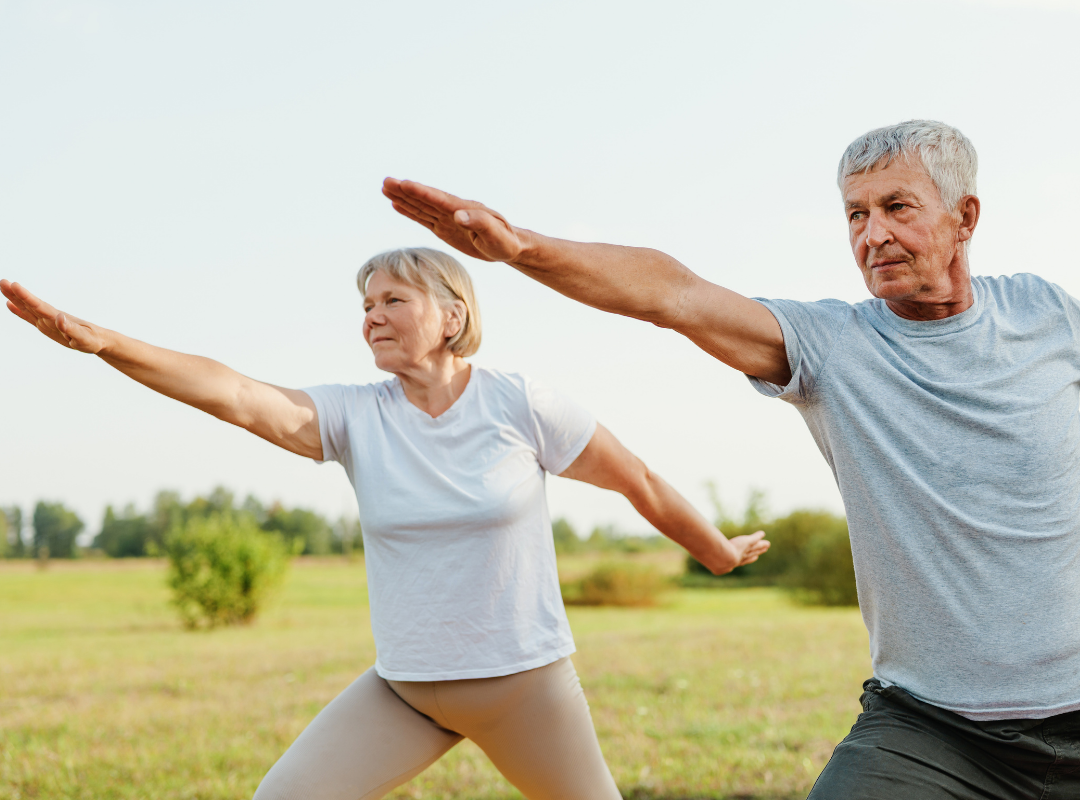
Building a Yoga Routine That Seniors Will Want to Continue
A lasting yoga routine needs to fit the person, not simply follow an ideal schedule. Participation is often easier to maintain when the activity feels convenient, enjoyable, socially welcoming, and appropriately challenging.
A simple approach can help:
- Choose a suitable format. Begin with chair, gentle, restorative, or beginner yoga based on current comfort.
- Keep the routine realistic. Start with a manageable session instead of an ambitious schedule.
- Connect it with an existing habit. Practice at a familiar time or attend a recurring class.
- Notice the experience. Pay attention to calm, confidence, enjoyment, and whether you want to participate again.
Families can encourage an older adult by offering choices and showing interest without applying pressure. Asking whether the class felt comfortable or enjoyable may lead to a more useful conversation than focusing only on performance.
Explore Yoga and Whole-Person Wellness at The Gables of Canton
At The Gables of Canton, yoga classes are part of a wider range of wellness and lifestyle opportunities in Canton, Ohio. Residents may also participate in balance and strength fitness classes, art classes, book club, interactive lectures and presentations, live entertainment, Sunday movie or musical matinees, veteran events, and outings to local museums and restaurants. The community offers Assisted Living, Memory Care, and Specialty Care.
Seeing the setting firsthand can help you decide whether the available activities suit your interests or those of someone you love. Schedule a tour to explore how movement, learning, creativity, and social opportunities come together, or call 330-484-5888 to discuss what matters most to your family. You can also complete the Lifestyle Assessment to think through preferred routines, activities, and community features.
Frequently Asked Questions
How often should a 70-year-old do yoga?
A 70-year-old can practice yoga as often as the sessions remain suitable, comfortable, and manageable. Someone new to yoga may start with shorter or less frequent sessions while learning the movements. Daily practice is not required, and consistency usually matters more than following a rigid schedule. The appropriate frequency also depends on the type of yoga, the session length, and the person’s response afterward.
What happens to your body when you do yoga every day?
Daily gentle yoga may provide regular practice in stretching, balance, muscular engagement, breathing, and focused movement. The experience and results will differ based on the poses, session length, intensity, and individual abilities. More active sessions may require recovery, even when they are described as yoga. Daily practice should never mean continuing through pain, dizziness, or unusual fatigue.
Which type of yoga is best for seniors?
Chair yoga, gentle yoga, restorative yoga, and beginner-level classes can all be suitable options for seniors. The best choice depends on mobility, confidence, preferred pace, and whether additional physical support is needed. Look for a class that provides clear instruction and different versions of each movement. The most suitable style will vary from one older adult to another.
How many times a week should a senior do chair yoga?
A senior may practice chair yoga several times per week when the movements and session length fit their abilities. New participants may feel more comfortable starting with shorter sessions and adjusting the schedule gradually. A class does not need to be long or frequent to become a meaningful part of a wellness routine. Stop and reassess if a movement causes pain, dizziness, or unusual discomfort.